

The Art of Maintenance: Insights from Adi Rahadi
December 22, 2024 | by adianyo78@gmail.com
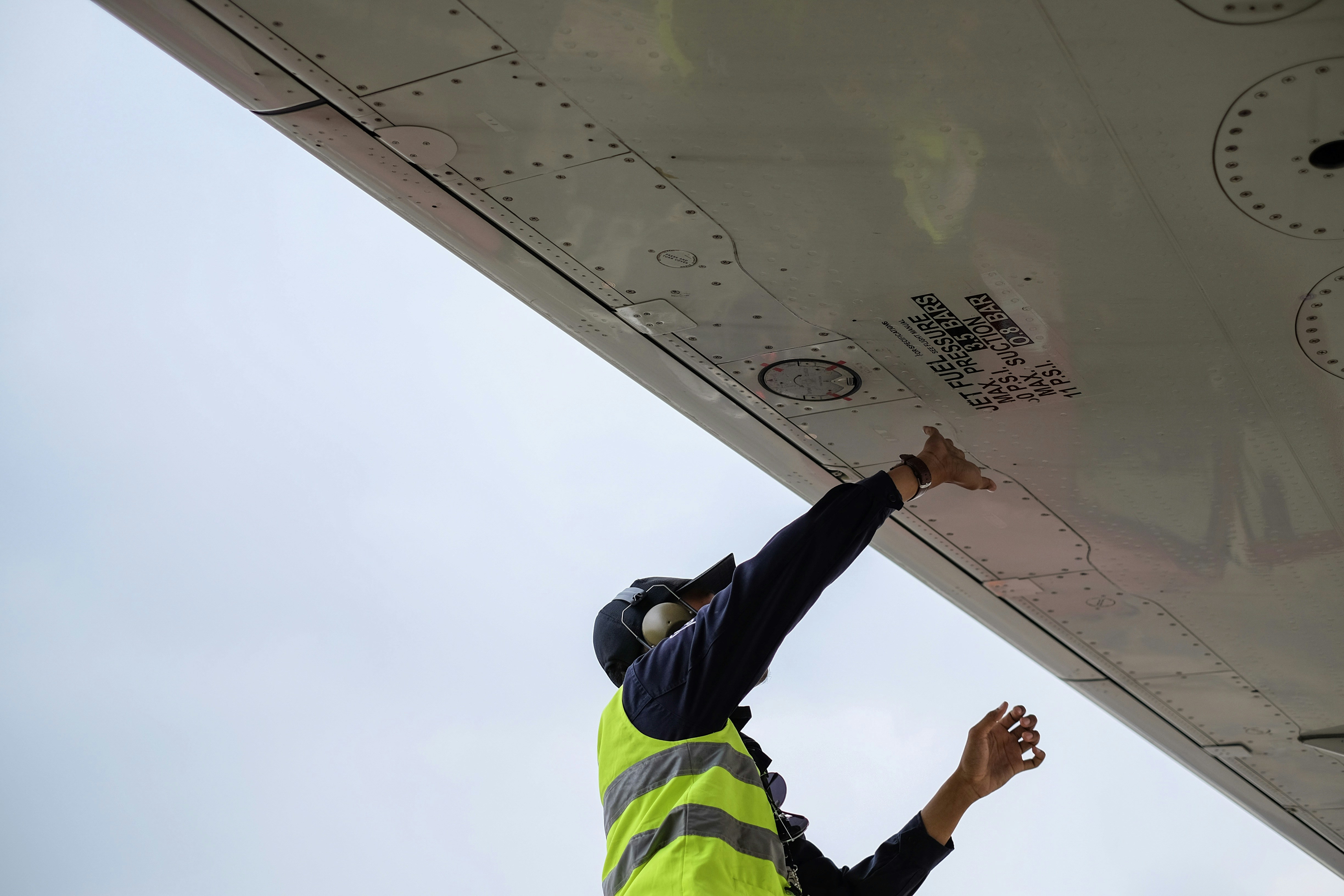 Photo by Pandu Agus Wismoyo on Unsplash
 Understanding Maintenance: The Philosophy behind Adi Rahadi’s Approach
Adi Rahadi’s philosophy of maintenance transcends the conventional notions associated with the field. He emphasizes that effective maintenance is not merely a series of tasks performed after an asset has deteriorated, but rather a proactive strategy aimed at ensuring sustainability and efficiency across multiple sectors. Central to Rahadi’s approach is the belief that maintenance should be ingrained in an organization’s culture, allowing for an environment where assets are regularly assessed and tended to with foresight.
The overarching principle behind his methodology is the transformation from reactive to strategic maintenance. This shift in mindset encourages organizations to prioritize preventive measures, thus avoiding the costs and disruptions associated with unplanned downtimes. Regular assessments not only enhance the longevity of assets but also streamline operations, resulting in increased overall productivity. By taking a proactive stance, companies are better equipped to foresee potential issues, making it easier to implement maintenance schedules that are aligned with operational goals.
Another significant aspect of Rahadi’s philosophy is the importance of collaboration among stakeholders. An integrated approach to maintenance, which involves cross-departmental cooperation, leads to a comprehensive understanding of asset management that extends beyond technical aspects. This collective effort fosters a culture of shared responsibility, where employees are empowered to contribute to the maintenance processes. Rahadi also advocates for leveraging technology in maintenance practices, highlighting the role of data analytics and smart systems in facilitating informed decision-making.
Ultimately, Adi Rahadi’s insights into maintenance underscore the necessity of adopting a strategic perspective that values preventive action, collaboration, and technology integration. By doing so, organizations can achieve more than just operational efficacy; they can cultivate a resilient framework that not only preserves assets but also enhances their overall significance in an ever-evolving landscape.
Implementing Effective Maintenance Strategies: Practical Tips from Adi Rahadi
To achieve efficient maintenance management, individuals and organizations must adopt actionable strategies inspired by the methodologies of Adi Rahadi. One foundational aspect of a robust maintenance strategy involves the integration of technology into maintenance processes. Employing computerized maintenance management systems (CMMS) allows organizations to streamline work orders, track asset performance, and schedule preventive maintenance effectively. This digital approach not only enhances operational efficiencies but also enables teams to manage resources proactively.
Another critical component of effective maintenance is leveraging data analytics for predictive maintenance. By utilizing advanced analytics and machine learning algorithms, organizations can identify potential points of failure before they occur. This foresight minimizes downtime and extends the lifespan of equipment, aligning closely with Rahadi’s emphasis on preemptive actions. Companies utilizing these data-driven approaches have reported a significant reduction in unexpected failures, reinforcing the value of integrating cutting-edge analytics into maintenance strategies.
Moreover, fostering a culture of continuous improvement among maintenance teams is vital. Training programs can empower personnel to recognize early signs of wear and tear, enabling them to take timely actions that prevent larger issues from developing. Emphasizing skill development through workshops and on-the-job training can enhance team capabilities, leading to improved responsiveness and efficiency in maintenance tasks. This focus on training reflects Rahadi’s belief that a well-informed team is a critical asset in any maintenance strategy.
Case studies illuminate the effectiveness of these strategies. For instance, a manufacturing firm implementing a CMMS and predictive analytics reported a 30% decrease in equipment downtime within a year. Such results exemplify the tangible benefits of adopting Adi Rahadi’s forward-thinking maintenance methods. By understanding and implementing these strategies, organizations can create a comprehensive toolkit that not only addresses current challenges but also positions them for future success in maintenance management.
RELATED POSTS
View all
 Photo by Pandu Agus Wismoyo on Unsplash
 Maintaining Excellence: Lessons from Adi Rahadi
December 22, 2024 | by adianyo78@gmail.com
 Photo by Sonika Agarwal on Unsplash
 Mastering Maintenance: Principles and Practices from Adi Rahadi
December 22, 2024 | by adianyo78@gmail.com
Photo by Pandu Agus Wismoyo on Unsplash The Art of Maintenance: Insights from Adi Rahadi
December 22, 2024 | by adianyo78@gmail.com