

Mastering Maintenance: Principles and Practices from Adi Rahadi
December 22, 2024 | by adianyo78@gmail.com
 Photo by Sonika Agarwal on Unsplash
 Fundamentals of Effective Maintenance
The foundation of effective maintenance strategies is rooted in a proactive approach, as emphasized by maintenance expert Adi Rahadi. This approach involves not merely reacting to equipment failures but actively seeking to prevent them through regular inspections and preventive measures. By prioritizing maintenance, organizations can mitigate risks associated with unexpected downtime, ultimately enhancing the lifespan and reliability of equipment and systems.
Regular inspections are a critical aspect of this proactive maintenance strategy. They involve systematically checking equipment and systems for signs of wear or potential issues. By identifying these concerns early, maintenance teams can intervene before problems escalate into significant failures. This reduces the time spent on repairs and helps maintain continuous operations, which is particularly crucial in industries where downtime can lead to substantial financial losses.
Preventive measures are another key component in Rahadi’s approach, encompassing scheduled maintenance tasks designed to address common issues before they become problematic. These may include lubrication, adjustments, and component replacements performed at predetermined intervals based on manufacturer recommendations or historical data regarding equipment performance. The systematic implementation of preventive maintenance has been shown to prolong equipment life, optimize performance, and contribute to higher overall productivity.
Moreover, timely interventions in response to performance data can make a notable difference. Utilizing technology to monitor equipment health and performance allows for data-driven decision-making regarding when and how maintenance should be conducted. This methodology not only streamlines maintenance efforts but also aligns operational priorities with the overarching goals of the organization.
In various industries, implementing Adi Rahadi’s maintenance principles requires tailoring these strategies to meet specific operational needs. By adopting a culture of maintenance that values proactive practices, organizations can significantly enhance their operational efficiency and ensure optimal equipment performance.
Building a Maintenance Culture
Fostering a maintenance culture within an organization is crucial for driving operational efficiency and longevity of assets. As articulated by Adi Rahadi, cultivating a maintenance-oriented mindset among employees creates an environment where proactive maintenance practices become central to organizational responsibility. This cultural shift ensures that maintenance is viewed not merely as a task, but as a fundamental aspect of overall business performance.
Engaging employees in maintenance initiatives is key to establishing this culture. Organizations can implement strategies that promote awareness and responsibility. For instance, involving team members in regular maintenance meetings encourages open dialogue, where ideas can be exchanged and shared experiences discussed. Emphasizing accountability in maintenance tasks leads to a collective ownership of equipment and processes, significantly reducing instances of neglect or oversight.
To further reinforce a maintenance culture, continuous improvement should be a shared objective across all levels. Encouraging employees to contribute to solutions, such as identifying areas for improvement or suggesting innovative maintenance techniques, can foster a sense of empowerment. This approach not only enhances maintenance practices but also contributes to personal and professional growth for the employees.
Leadership plays an instrumental role in instilling and nurturing these values. Leaders must articulate a clear vision for maintenance and demonstrate commitment through their actions. Regular training and skill development programs focused on maintenance best practices equip employees with the necessary tools to excel in their roles. Additionally, recognizing and rewarding contributions to maintenance initiatives can motivate individuals and teams alike.
In conclusion, building a robust maintenance culture is an ongoing journey that requires consistent effort and reinforcement from leadership and employees alike. By encouraging accountability, promoting continuous improvement, and investing in training, organizations can achieve a maintenance culture that enhances efficiency and sustainability, ultimately driving long-term success.
RELATED POSTS
View all

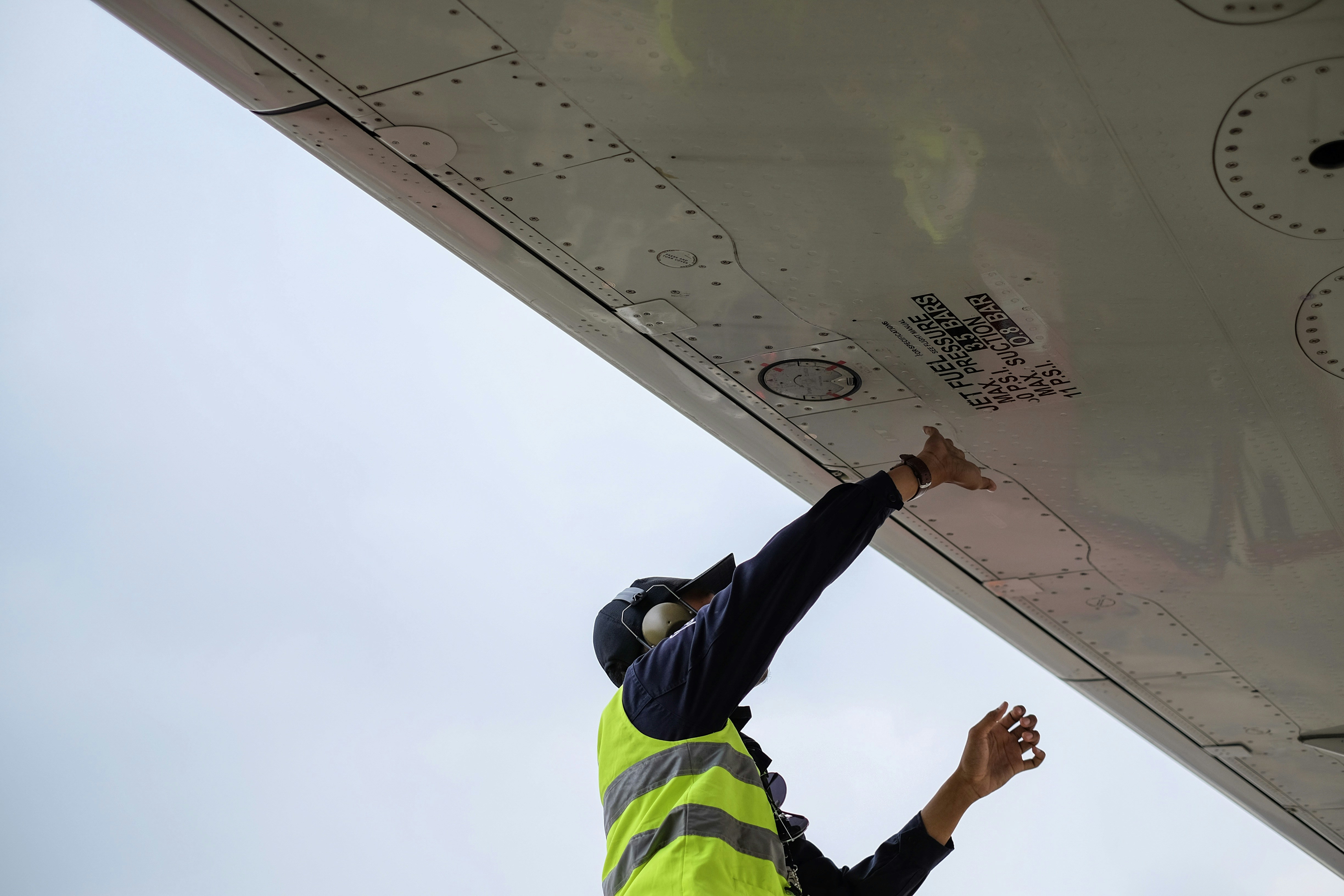 Photo by Pandu Agus Wismoyo on Unsplash
 Maintaining Excellence: Lessons from Adi Rahadi
December 22, 2024 | by adianyo78@gmail.com
Photo by Pandu Agus Wismoyo on Unsplash Sustaining Excellence: Lessons from Adi Rahadi’s Maintenance Philosophy
December 22, 2024 | by adianyo78@gmail.com

Revamping Reliability: Adi Rahadi’s Maintenance Revolution
December 22, 2024 | by adianyo78@gmail.com