

Sustaining Excellence: Lessons from Adi Rahadi’s Maintenance Philosophy
December 22, 2024 | by adianyo78@gmail.com
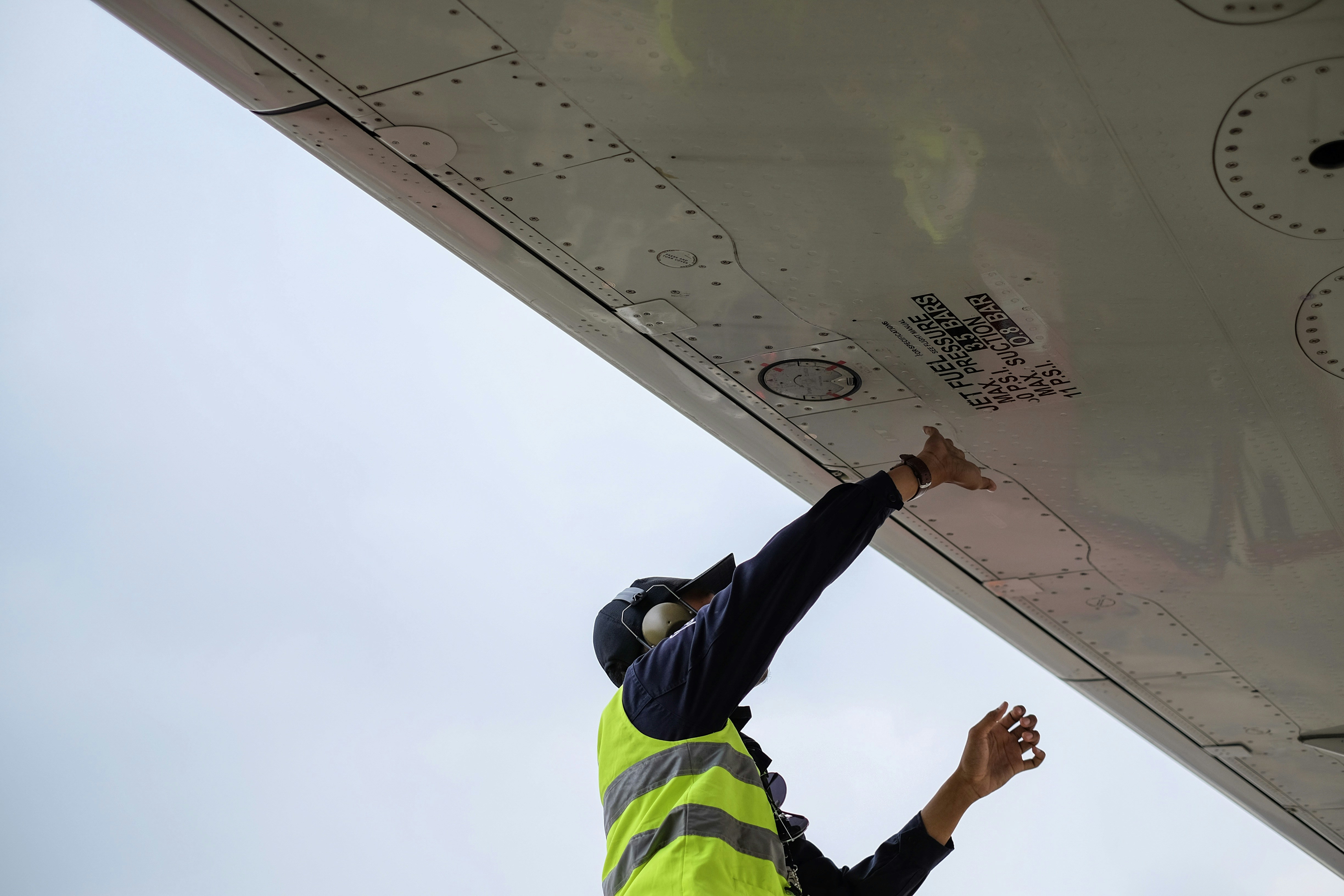 Photo by Pandu Agus Wismoyo on Unsplash
 The Foundation of Effective Maintenance
Effective maintenance is essential for ensuring that equipment and assets operate at peak performance levels. One of the core principles emphasized by Adi Rahadi is the distinction between proactive and reactive maintenance. Proactive maintenance involves identifying and addressing potential issues before they escalate, thereby reducing downtime and minimizing repair costs. In contrast, reactive maintenance responds to failures after they occur, often resulting in higher expenses and extended periods of equipment inoperability. Adi advocates for a proactive approach as it not only saves resources but also enhances overall operational efficiency.
Another critical aspect of effective maintenance is the importance of regular inspections. Routine assessments of machinery and equipment are fundamental in identifying wear and tear, allowing maintenance teams to address any concerns early on. Adi has observed that organizations that prioritize regular checks often experience fewer emergency repairs and prolonged asset lifespan. For instance, a manufacturing facility that adhered to consistent inspection schedules under Adi’s guidance achieved a substantial reduction in unexpected breakdowns, highlighting the tangible benefits of this principle.
Furthermore, the role of data analytics has become increasingly vital in modern maintenance practices. By utilizing advanced technologies to analyze historical data and equipment performance metrics, maintenance teams can predict when maintenance should be performed. This predictive maintenance approach allows for more strategic planning and resource allocation. Adi’s experiences demonstrate that organizations leveraging data analytics significantly reduce maintenance costs while maximizing asset reliability. For example, a logistics company that integrated data analytics into their maintenance strategy experienced a 20% increase in uptime, illustrating the effectiveness of this principle in action.
Innovative Techniques in Asset Management
Adi Rahadi’s maintenance philosophy emphasizes the importance of adopting innovative techniques in asset management to optimize performance and longevity. One such approach is the integration of Internet of Things (IoT) devices, which allow for real-time monitoring of machinery and equipment. By deploying sensors that track metrics such as temperature, vibration, and operational hours, organizations can gain valuable insights into the health and performance of their assets. This continuous monitoring facilitates early detection of potential issues, enabling proactive maintenance and minimizing downtime.
Furthermore, the implementation of machine learning algorithms has revolutionized predictive maintenance within the industry. Through data analysis, machine learning models can identify patterns and predict potential failures before they occur. This predictive capability not only enhances the reliability of equipment but also reduces maintenance costs, as interventions can be scheduled strategically rather than reactively. Organizations leveraging machine learning are increasingly experiencing a shift from traditional maintenance practices to more advanced, data-driven approaches.
Equally significant is the role of employee training in sustaining high standards of safety and efficiency. Adi Rahadi advocates for a comprehensive training program that equips employees with the necessary skills to utilize these advanced technologies effectively. Knowledge transfer regarding IoT capabilities and machine learning applications ensures that staff can operate and maintain equipment optimally, fostering a culture of continuous improvement. Organizations that invest in workforce development witness not only enhanced employee engagement but also improved safety outcomes and operational efficiency.
Several case studies illustrate the successful implementation of these innovative techniques. For instance, a manufacturing company that integrated IoT devices reported a 20% reduction in unplanned downtime, while another organization employing machine learning saw a 15% decrease in maintenance costs over a year. Such examples highlight the practical benefits and transformative potential of embracing modern asset management techniques in today’s competitive landscape.
RELATED POSTS
View all
 Photo by Pandu Agus Wismoyo on Unsplash
 Maintaining Excellence: Lessons from Adi Rahadi
December 22, 2024 | by adianyo78@gmail.com

Revamping Reliability: Adi Rahadi’s Maintenance Revolution
December 22, 2024 | by adianyo78@gmail.com
Photo by Pandu Agus Wismoyo on Unsplash The Art of Maintenance: Insights from Adi Rahadi
December 22, 2024 | by adianyo78@gmail.com