

The Art of Maintenance: Insights from Adi Rahadi
December 22, 2024 | by adianyo78@gmail.com
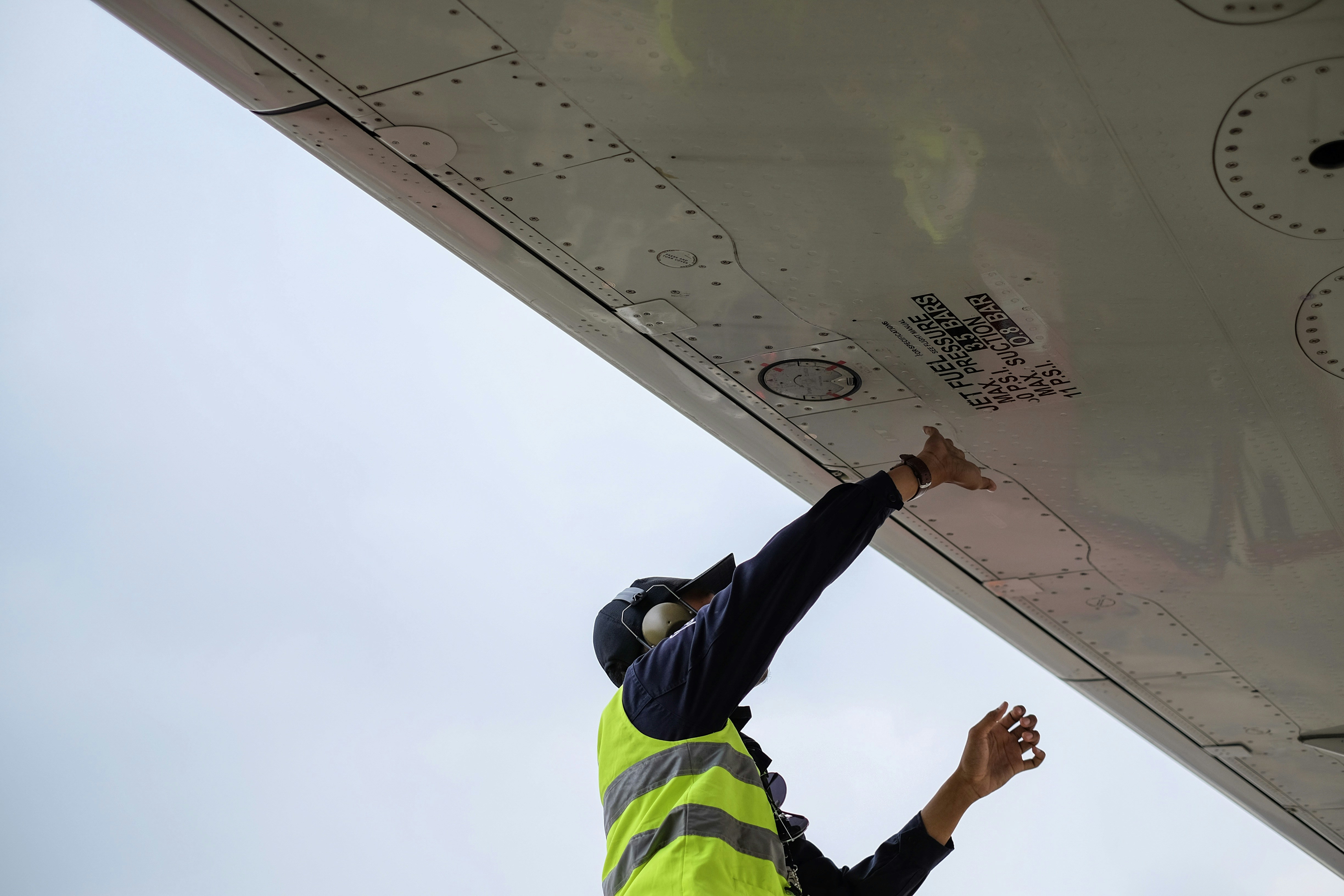 Photo by Pandu Agus Wismoyo on Unsplash
 Understanding Maintenance: Key Concepts and Principles
Maintenance encompasses a variety of processes aimed at keeping systems, equipment, and structures in optimal operating condition. As articulated by expert Adi Rahadi, the importance of maintenance cannot be overstated, as it plays a crucial role across diverse sectors including industrial, automotive, and residential environments. Effective maintenance strategies not only prolong the lifespan of assets but also promote efficiency and safety, highlighting its critical nature within operational frameworks.
Two primary divisions of maintenance stand out: preventive and corrective maintenance. Preventive maintenance involves regular, scheduled inspections and upkeep with the objective of averting potential breakdowns and failures. This proactive approach allows organizations to identify potential issues before they escalate, thus saving on costly repairs and minimizing downtime. For instance, a manufacturing facility may employ preventive maintenance by routinely checking and servicing machinery, ensuring they operate smoothly over extended periods.
In contrast, corrective maintenance comes into play after a fault has occurred. This reactive measure aims to restore equipment to its proper functioning state following a breakdown. Although necessary, relying solely on corrective maintenance can lead to increased costs and reduced efficiency due to unexpected outages. An effective maintenance program integrates both approaches, fostering a balanced strategy that mitigates risks while enhancing performance and reliability.
Real-world examples further emphasize the significance of maintenance practices. In the automotive industry, manufacturers often implement stringent maintenance schedules for vehicles to enhance safety and reliability. Similarly, residential maintenance practices, such as regular plumbing and electrical inspections, ensure homeowners maintain safe living environments. Such examples illustrate the profound impact that well-structured maintenance strategies can have, making them indispensable for operational success across various domains.
Implementing Effective Maintenance Strategies: Best Practices from Adi Rahadi
Implementing effective maintenance strategies is crucial for organizations striving to enhance operational efficiency and prolong the lifespan of their assets. Drawing from the expertise of Adi Rahadi, it is essential to begin with a thorough assessment of the maintenance needs specific to the organization. This initial evaluation enables teams to identify critical assets, analyze their condition, and determine immediate maintenance requirements. By prioritizing tasks based on urgency and impact, organizations can allocate resources more effectively, ensuring that high-risk areas receive attention before they escalate into more significant issues.
Modern maintenance technologies play a pivotal role in this process, particularly through predictive maintenance and data analytics. Predictive maintenance leverages advanced tools and techniques, including Internet of Things (IoT) sensors and machine learning algorithms, to predict equipment failures before they occur. Implementing these technologies empowers maintenance teams to make data-driven decisions, reducing downtime and optimizing resource allocation. Furthermore, data analytics fosters continual improvement by providing insights into maintenance trends and performance metrics, ensuring that strategy adjustments are made based on solid evidence.
In addition to technology adoption, fostering a culture of training and engagement within maintenance teams is paramount. Continuous professional development encourages team members to stay informed about the latest maintenance trends and innovations. Encouraging collaboration and communication within the team helps cultivate a proactive mindset. Case studies from various industries reveal that organizations that prioritize employee training often experience significant improvements in maintenance outcomes. Teams that are well-trained not only execute maintenance tasks more efficiently but also contribute to a culture of innovation, suggesting new methods to enhance the maintenance processes further.
These best practices outlined from Adi Rahadi’s insights serve as a roadmap for organizations aiming to implement effective maintenance strategies. By addressing needs, prioritizing tasks, integrating modern technology, and investing in team development, companies can achieve a higher standard of maintenance operations, resulting in enhanced performance and longevity of their assets.
RELATED POSTS
View all
 Photo by Pandu Agus Wismoyo on Unsplash
 Maintaining Excellence: Lessons from Adi Rahadi
December 22, 2024 | by adianyo78@gmail.com
Photo by Pandu Agus Wismoyo on Unsplash Sustaining Excellence: Lessons from Adi Rahadi’s Maintenance Philosophy
December 22, 2024 | by adianyo78@gmail.com
Photo by Pandu Agus Wismoyo on Unsplash The Art of Maintenance: Insights from Adi Rahadi
December 22, 2024 | by adianyo78@gmail.com