

Revamping Reliability: Adi Rahadi’s Maintenance Revolution
December 22, 2024 | by adianyo78@gmail.com

Innovative Strategies in Maintenance Management
Adi Rahadi has dramatically transformed maintenance management by introducing innovative strategies that prioritize proactive approaches over traditional reactive methods. This paradigm shift emphasizes the need for organizations to anticipate maintenance requirements rather than merely responding to equipment failures. By integrating advanced technologies and data analytics, Rahadi enables organizations to predict maintenance needs with greater accuracy and efficiency.
One notable strategy employed by Rahadi is the utilization of predictive maintenance technologies. By harnessing the power of big data and the Internet of Things (IoT), organizations can collect real-time data on equipment performance. This information allows for the identification of potential issues before they escalate into costly downtime. For instance, in a manufacturing facility that adopted Rahadi’s predictive maintenance strategies, predictive analytics helped reduce unplanned outages by 30%, significantly improving operational efficiency and lowering repair costs.
Additionally, Rahadi advocates for the implementation of a maintenance management system (MMS) that serves as a centralized platform for tracking maintenance activities. This system allows for better visibility into the utilization of resources and asset conditions. By analyzing trends in equipment data, organizations can create tailored maintenance schedules that align with the actual needs of their assets. A case study involving a major transportation company revealed that by optimizing their maintenance management system based on Rahadi’s methodologies, they achieved a 25% reduction in overall maintenance costs and extended asset life.
Furthermore, creating a culture of continuous improvement within maintenance teams is central to Rahadi’s philosophy. He encourages organizations to cultivate an environment where team members regularly assess and enhance their processes. This approach fosters collaboration and accountability, leading to sustained improvements in maintenance practices. By adopting these innovative strategies, organizations not only enhance asset reliability but also position themselves for long-term success in an increasingly competitive landscape.
Building a Culture of Excellence in Maintenance Teams
Creating a culture of excellence within maintenance teams is essential for any organization aiming to enhance reliability and efficiency. Adi Rahadi, a proponent of innovative maintenance practices, emphasizes the foundational role of leadership in this process. Effective leaders set clear expectations, provide vision, and ensure open communication lines. By doing so, they empower maintenance teams to take ownership of their responsibilities, fostering an environment where ideas and concerns are freely exchanged. This open communication not only builds trust but also creates a sense of belonging, motivating employees to contribute their best efforts.
Training is another critical component in establishing a culture of excellence in maintenance. Ongoing educational opportunities equip maintenance professionals with the latest skills and knowledge, ensuring that they remain adept and capable in their roles. Rahadi advocates for a structured training program that covers technical skills and promotes problem-solving abilities. When maintenance teams are continuously learning, they become more efficient and innovative in addressing challenges, which ultimately enhances organizational performance.
The power of collaboration cannot be underestimated in the quest for excellence. Promoting teamwork among maintenance personnel encourages knowledge sharing and collective problem-solving, leading to more effective solutions and increased performance. By creating cross-functional teams, companies can harness a diverse pool of expertise, facilitating innovation and allowing maintenance teams to tackle complex issues more efficiently. Furthermore, fostering a collaborative culture enables organizations to become more adaptive and responsive to changing business environments.
Recognizing and rewarding achievements is also vital to sustaining a culture of excellence. Acknowledgement of hard work not only boosts morale but also instills a sense of pride among team members. By celebrating successes, organizations reinforce the values and behaviors that contribute to high-performing maintenance teams. Through these practices, leaders can effectively emulate Rahadi’s principles, driving an organizational culture that prioritizes reliability and operational excellence.
RELATED POSTS
View all

 Photo by Sonika Agarwal on Unsplash
 Mastering Maintenance: Principles and Practices from Adi Rahadi
December 22, 2024 | by adianyo78@gmail.com
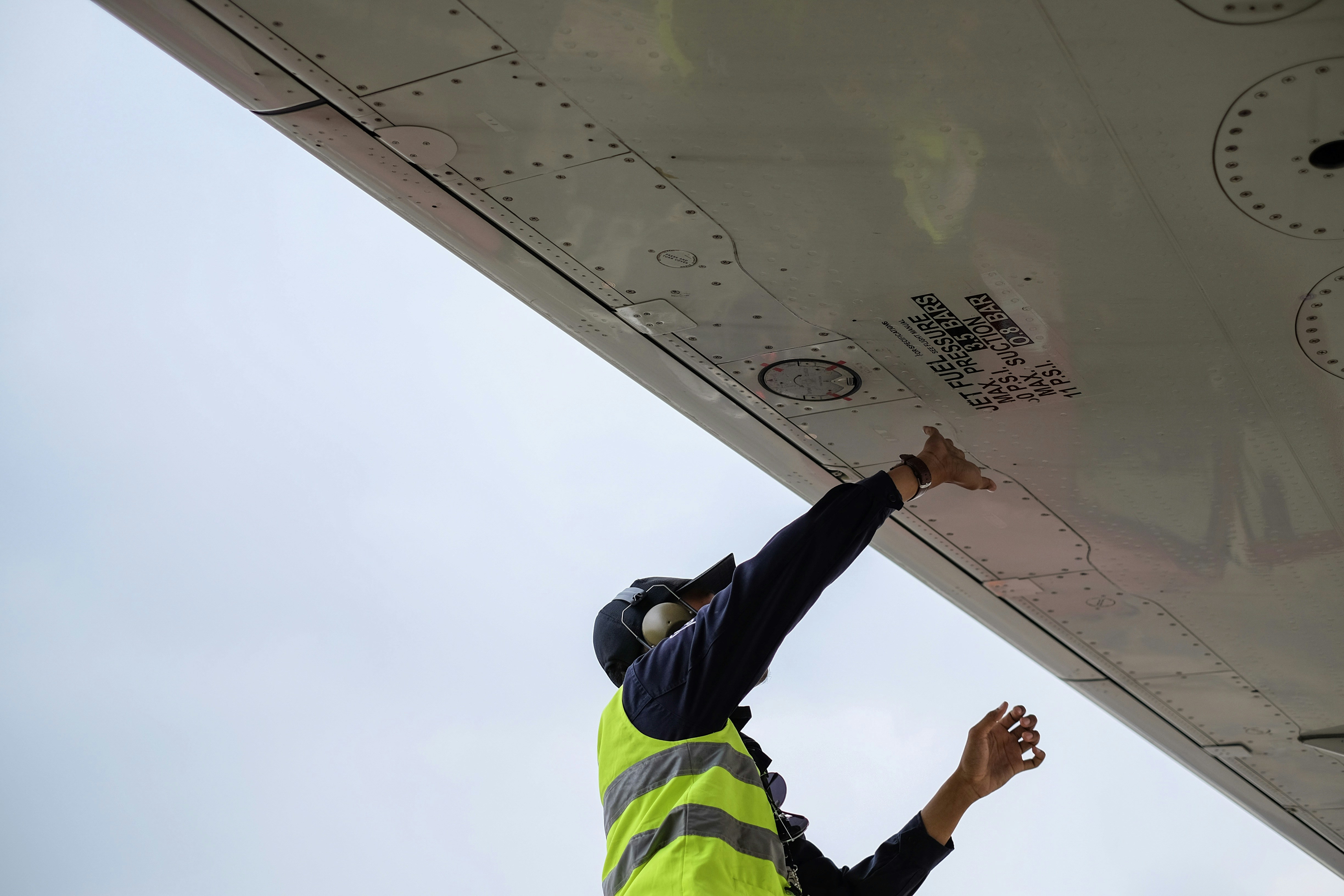 Photo by Pandu Agus Wismoyo on Unsplash
 The Art of Maintenance: Insights from Adi Rahadi
December 22, 2024 | by adianyo78@gmail.com
Photo by Pandu Agus Wismoyo on Unsplash The Art of Maintenance: Insights from Adi Rahadi
December 22, 2024 | by adianyo78@gmail.com